
A pond can look perfect on paper and still struggle once the seasons turn. Stone borders, lush plants, and tidy edges catch the eye, yet none of that matters if the water sits still. Movement is the part most people forget when they picture the ideal pond. It works quietly, but it carries the whole design.
Strong water movement protects everything you spend money and care building around it. A well-chosen floating fountain for pond setups delivers steady aeration, cleaner water, and a striking visual feature that lifts the entire landscape at once. That combination does real work for any property. It keeps the water healthy while giving guests something genuinely worth looking at every time they walk past.
Why Still Water Quietly Works Against You
Stagnation Builds in the Background: Water that barely moves starts changing long before you see it. Warm upper layers separate from the cooler depths, and oxygen struggles to reach the bottom. Debris settles, sediment thickens, and the pond loses the freshness that drew you to it. The decline feels slow, almost invisible, until one warm week makes everything obvious.
Warm Months Expose Weak Circulation: Summer punishes a pond with poor flow. As temperatures climb, the dissolved oxygen levels drop fast, and the water turns murky and tired. Algae spreads across the surface, odors creep in, and what should feel calming becomes a chore. A property manager especially cannot afford water that looks neglected during the busiest visiting season.
The Hidden Cost of Doing Nothing
Small Problems Stack Up: Ignoring circulation rarely stays cheap. A neglected pond invites repairs, treatments, and replacements that pile on faster than expected. Fish struggle, plants suffer, and the visual appeal you paid for slips away bit by bit. Owners who wait often spend far more fixing trouble than they would have spent preventing it in the first place.
Healthy Water Needs Active Oxygen: The single biggest factor in a thriving pond is the oxygenation of water throughout every layer, not just the top. Fish, beneficial bacteria, and plant roots all depend on it. When oxygen stays plentiful, the pond resists the green, sluggish look that warm weather usually brings. Aeration keeps that balance steady when nature alone cannot.
Floating Fountains Earning Their Place
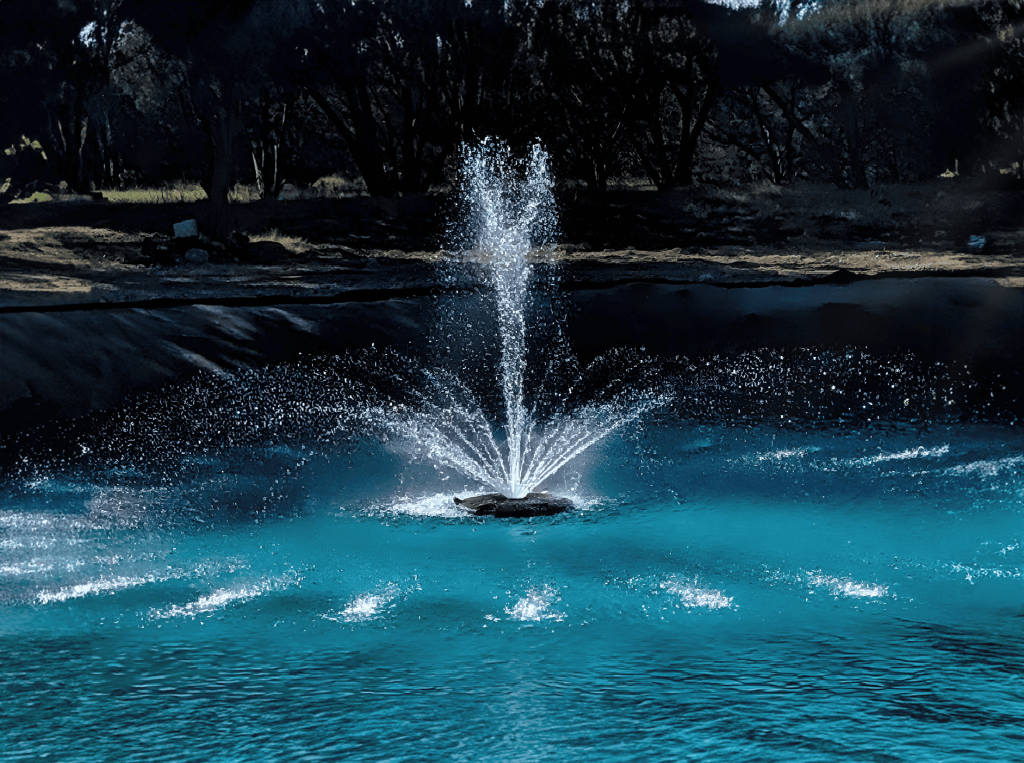
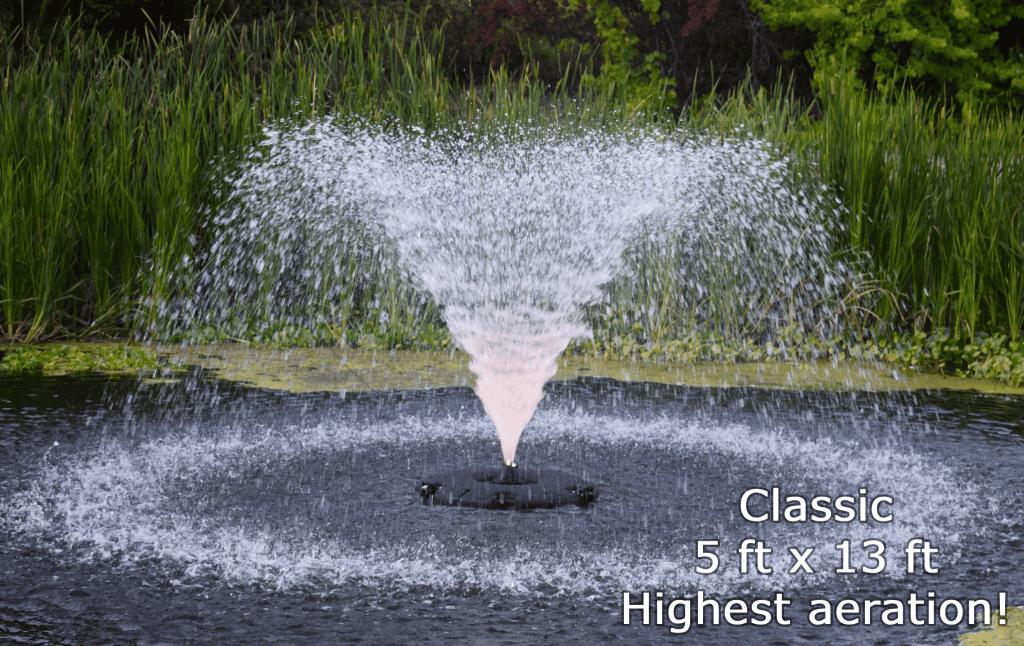
Beauty That Pulls Double Duty: A floating fountain does two jobs at once, and that is its real strength. It sends a visible spray upward, which catches light and draws attention, while pulling water from below and mixing the layers. The result looks decorative, but the function runs deeper. You get a centerpiece that also keeps the whole pond breathing.
Movement Restores the Balance: Constant spray and circulation revive a tired water ecosystem by spreading oxygen and breaking up stagnant pockets. Fish grow livelier, water clears, and unwanted growth loses its foothold. The pond starts to feel alive again rather than merely full. For medium and larger ponds, this kind of steady motion makes a difference you can actually see week to week.
What a Floating Fountain Brings to the Surface
One System, Many Wins: A good floating fountain works on several fronts at the same time, which is why so many owners lean on them. The visual payoff arrives instantly, but the deeper benefits build over the seasons. Before settling on a setup, it helps to know exactly what steady aeration and circulation actually deliver to a pond.
- Improved oxygen transfer keeps fish active and supports the bacteria that break down waste naturally.
- Constant surface movement discourages algae blooms during the hottest, riskiest stretch of summer.
- Better circulation reduces sediment buildup by keeping fine particles suspended toward filtration.
- A visible spray pattern adds height, motion, and a focal point that lifts the surrounding landscape.
- Durable, well-matched systems lower the chance of failure when the pond needs them most.
Function You Can Count On: None of these gains rely on constant fiddling or guesswork. They come from one dependable system doing its job through every season, rain or shine. Owners who choose equipment built for steady output rarely scramble to fix the same problems twice. Reliability, more than flash, is what keeps a pond looking its best long term.
Matching the Fountain to Your Pond
Size and Depth Set the Rules: The right floating fountain depends on the water it serves. A small unit in a large pond barely stirs the surface, while an oversized one wastes energy and overwhelms the space. Measuring your pond, noting its depth, and considering its shape all point you toward a fountain that performs without straining or falling short.
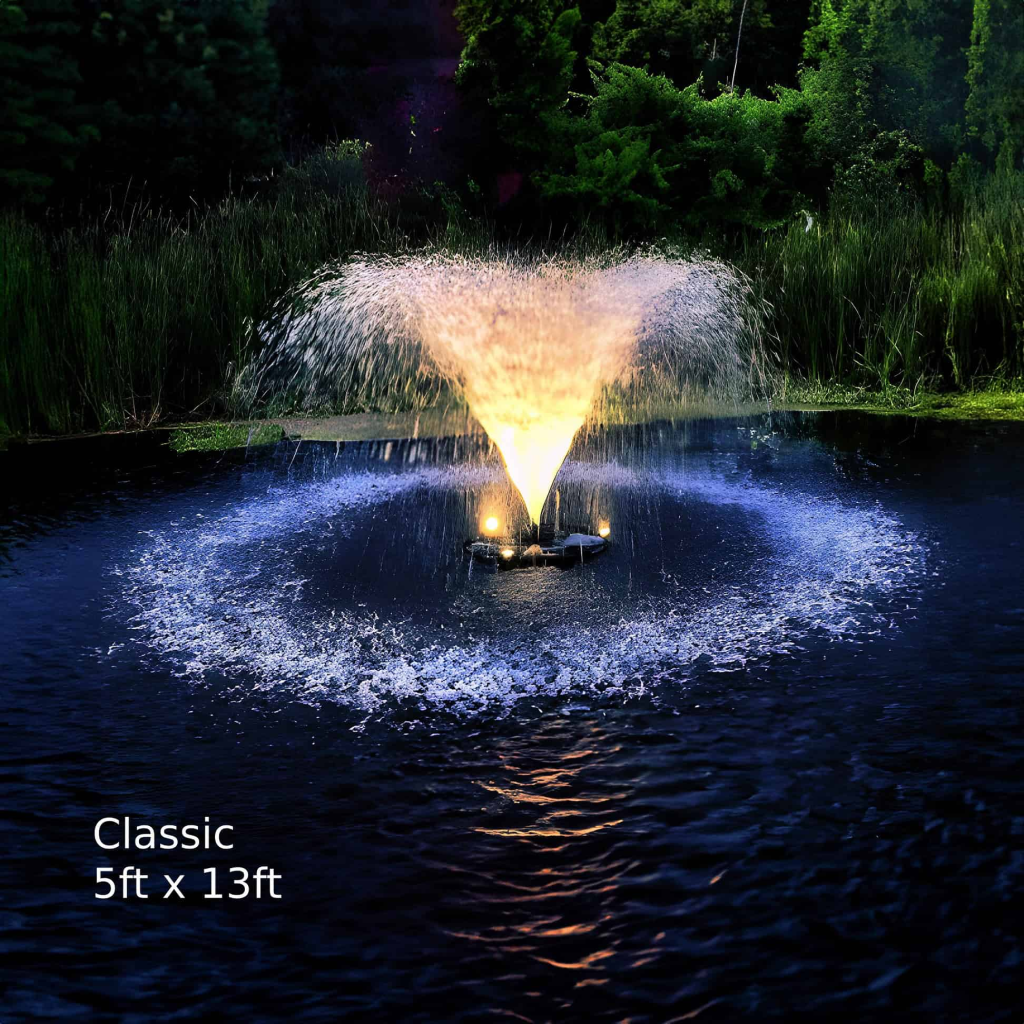
Spray and Output Shape the Look: Beyond aeration, the spray height and pattern decide how the fountain reads from a distance. Taller sprays suit open, expansive ponds, while gentler patterns fit smaller, intimate settings. Pairing the visual effect with the aeration power your water actually needs keeps both beauty and function in balance, season after season.
A Pond That Looks Alive and Stays That Way
A pond reaches its full potential only when motion and design work together as one. Strong circulation protects the water, supports the life inside it, and keeps the surface clear enough to enjoy without constant effort. Treat aeration as part of the landscaping, not an afterthought, and the whole space rewards you. Take a fresh look at your pond today and give it the steady, lasting movement it has been missing.