
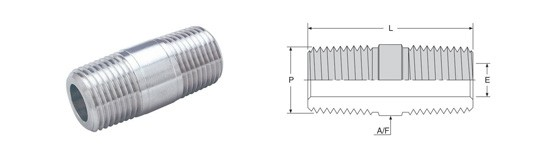
Industrial environments push piping systems through chemical exposure, temperature swings, and continuous pressure cycles that test every installed component. Each connection across the network carries operational stress that quietly weakens performance over years. Strong infrastructure depends on engineering choices made at the smallest fitting level.
Weak joints often emerge as the hidden cost behind unplanned shutdowns and production delays across plant operations. Trusted pipe fittings manufacturers in India deliver precision-engineered components that strengthen system integrity and support consistent process performance for demanding industrial sectors. Such expertise transforms how facilities approach fluid handling and long-term maintenance.
Engineering That Defines System Reliability
Precision Manufacturing Behind Each Fitting: Modern fluid systems demand components shaped with tight tolerances, refined surface finishes, and consistent dimensional accuracy across production batches. Engineers often select austenitic stainless steel grades for harsh environments since these alloys deliver strength and resistance against aggressive media handled across heavy processing facilities running daily shifts.
Strength Calibrated For Operating Conditions: Each fitting must match its working environment by accounting for fluid type, temperature range, and system pressure rating expected throughout active service. Selecting components below the required threshold leads to deformation, joint loosening, and eventual failure during high-demand operations that severely affect plant safety and output.
Design Choices That Reduce Downtime Risk: Smart fitting selection during early project stages prevents costly retrofits, leakage incidents, and unscheduled shutdowns later in the operational lifespan. Engineering teams must weigh wall thickness, thread compatibility, and pressure tolerance against the conditions expected across every section of the pipeline network installed across production sites.
Material Strength Behind Industrial Endurance
Alloys Built For Harsh Industrial Service: Process industries frequently handle acids, hydrocarbons, brines, and steam that demand sturdy metallurgy capable of withstanding constant chemical attack. The corrosion resistance of a fitting determines whether the joint survives years of service or fails prematurely, draining maintenance budgets and disrupting plant uptime severely.
Verification Through Rigorous Performance Trials: Each component leaves production only after detailed examination under controlled conditions resembling actual field stresses encountered during everyday plant operations. Procedures such as hydrostatic testing confirm whether the fitting holds tightly under load, while helium leak detection identifies microscopic flaws that visual inspection often misses entirely.
Joint Sealing Across Demanding Environments: Properly engineered fittings minimise fluid escape across high-vibration installations, fluctuating pressure ranges, and thermally cycled circuits within demanding process plants. Leak integrity depends on accurate ferrule engagement, controlled axial compression, and matched alloy hardness selected during the initial design phase by qualified engineering personnel.
- Optimised tube fittings extend service intervals while reducing routine maintenance demands across critical processing units in plants.
- Tight dimensional tolerances ensure consistent fit between threaded connections and adjoining pipework throughout assembly stages effectively.
- Surface finish quality directly influences sealing reliability under fluctuating pressure and thermal cycling conditions found in operations.
- Heat treatment processes refine grain structure within metal components for improved long-term mechanical durability under repeated load.
- Traceability documentation supports compliance verification across project audits and procurement quality reviews completed by engineering teams.
Standards That Govern Industrial Safety
Benchmarks Recognised Across Global Industries: Approved standards including ISO certifications, ATEX directives, and pressure equipment regulations help engineers select reliable components verified for demanding conditions across sectors. Strict checks around material compatibility ensure the fitting and surrounding pipework respond uniformly to thermal expansion, chemical exposure, and pressure cycles encountered throughout operational lifespans.
Documentation Behind Every Component Choice: Procurement teams expect full documentation showing alloy origin, batch records, melt numbers, and verification of every grade selected for installation across plant systems. Such written evidence builds trust between supplier and end-user, supporting smooth project handovers, regulatory inspections, and audits that follow major capital expenditure within complex industrial environments globally.
Compliance That Strengthens Buyer Confidence: Detailed compliance records prove that each component aligns with industry directives and the safety expectations placed upon modern fluid handling networks. Buyers gain reassurance when supplier records demonstrate consistent adherence across multiple production cycles, supporting long-term partnerships and reducing risk during demanding project execution phases across sectors.
Performance Built Through Disciplined Manufacturing
Skilled Production Behind Reliable Components: Workforce training, controlled machining environments, and disciplined assembly practices contribute directly to the consistent output expected from precision fitting suppliers serving global markets. Effective thread sealing depends on accurate cutting profiles, careful surface preparation, and proven engagement techniques that prevent fluid bypass under high vibration conditions.
Continuous Refinement Across Operations: Manufacturing facilities steadily invest in upgraded inspection equipment, improved tooling, and refined process controls that lift output quality across each production run completed. Such ongoing improvement allows engineers receiving the parts to trust dimensional consistency, finish accuracy, and long-term performance that sustains demanding plant environments across geographies.
Inspection Practices That Build Component Trust: Detailed inspection routines confirm that every batch leaving the production line satisfies the dimensional, mechanical, and finish-related expectations agreed during contract review. Random sampling, calibrated gauges, and recorded test data combine to give procurement teams the technical assurance needed before approving components for critical installation.
Engineering Confidence Into Every Plant Connection
Strong piping systems begin with components engineered carefully, verified rigorously, and matched precisely against the conditions they must serve. Engineers planning fluid networks for critical installations benefit from working with experienced manufacturing partners committed to safety and dependability throughout every project phase. Connect with a trusted supplier today to discuss your industrial fitting requirements.